How to Increase Compatibility Between Couples: A Practical Guide
Learn proven steps, tools, and conversations to elevate couple compatibility. This My Compatibility guide covers values, communication, rituals, and progress tracking with clear checklists and prompts.


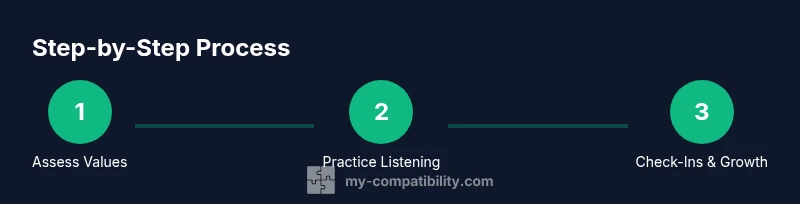
To increase compatibility between couples, follow a clear, step-by-step plan that blends communication, alignment of values, and shared routines. Start with a values and needs assessment, then establish open dialogue, create rituals, and practice conflict-safe problem solving. Schedule 60–90 minutes weekly to review progress, reflect, and adjust strategies. This approach builds empathy, trust, and lasting connection.
Understanding Compatibility in Couples
Compatibility is a dynamic, evolving process rather than a fixed trait. It encompasses aligned values, compatible communication styles, shared goals, emotional availability, and the ability to adapt under stress. The My Compatibility framework emphasizes that small, consistent practices yield meaningful shifts over time. By recognizing areas where you differ and areas where you align, you can design routines that honor both partners. The goal is not sameness but complementary alignment that supports growth for each person and the relationship as a team. In practice, this means setting intentional moments to reflect on needs, expectations, and boundaries, and then translating those insights into concrete actions you both commit to. Over the long term, this approach enhances trust, reduces friction, and increases overall satisfaction in the relationship.
Communication as the Foundation
Effective communication is the bedrock of lasting compatibility. Start with clear, respectful language and active listening. Use
I statements to own your feelings, and reflect back what you hear to verify understanding. Schedule weekly conversations that cover emotions, needs, and appreciations, not just problems. Nonverbal cues matter too: eye contact, tone of voice, and body language convey care and presence. When tensions rise, pause, breathe, and switch to a calm dialogue rather than escalation. Practice prompts like, ‘What’s one thing you need from me this week?’ and ‘How can I support you when you feel stressed?’ These habits create a safe space for honesty and vulnerability, which strengthens compatibility.
Shared Values and Goals
Couples grow closer when they align core values and long-term goals. Start by listing your top five values and how they translate into daily actions. Examine finances, family plans, spirituality, career ambitions, and lifestyle preferences to identify overlaps and conflicts. Create joint goals with clear milestones and timeline expectations, then review them quarterly. This process reduces misalignment that often causes friction. Remember, alignment doesn’t mean identical opinions; it means understanding each other’s priorities and designing compromises that respect both partners. A values-anchored relationship provides direction during tough times and fosters deeper trust.
Conflict Resolution Strategies
Disagreements are inevitable, but patterns matter more than frequency. Adopt a conflict framework that reduces blame and preserves connection. Agree on a signal to pause when emotions run high, then resume with a structured approach: describe the issue, express how it affects you using I-statements, propose solutions, and decide together on next steps. Avoid rigid positions; seek win-win outcomes that respect both perspectives. Maintain a calm environment, avoid sarcasm, and use a timer for lengthy debates. In a pinch, switch to a short ritual of appreciation before solving the problem to reset emotional momentum and restore goodwill.
Building Emotional Bond and Trust
Emotional closeness grows when both partners feel seen, heard, and valued. Practice daily acts of empathy—listen without interruptions, validate feelings, and express appreciation for specific behaviors. Share vulnerabilities in small, manageable doses to build safety over time. Trust also requires consistency: follow through on promises, admit mistakes, and repair hurts promptly. Couples often benefit from adopting a “gratitude log” where each partner notes one thing they appreciated about the other that day. This simple habit reinforces positive perceptions and supports durable compatibility.
Practical Routines and Habits
Rituals create predictability and safety in a relationship. Establish weekly check-ins to discuss emotions, needs, and relationship health. Create couple rituals for mornings or evenings—shared coffee, a walk after dinner, or a short gratitude reflection. Use a shared calendar to schedule time for date nights, problem-solving sessions, and personal downtime. Keep a physical or digital journal to track progress and reflect on what’s working. These routines reduce ambiguity, increase intimacy, and help you translate intentions into consistent behavior, which is essential for long-term compatibility.
Role of Empathy and Perspective-Taking
Empathy fuels compatibility by allowing you to step into your partner’s experience. Practice perspective-taking exercises: describe your partner’s view as you understand it, then check for accuracy and invite corrections. Use role reversals on hypothetical scenarios to reveal blind spots and reduce defensiveness. When you disagree, summarize the other person’s point of view before presenting yours. This habit reduces misinterpretations and fosters collaborative problem solving. Over time, heightened empathy expands your emotional bandwidth and strengthens mutual regard.
Using Tools and Checklists
Tools provide structure to grow compatibility. Use a relationship compatibility checklist to identify gaps in communication, shared responsibilities, and emotional needs. Maintain a weekly reflection journal to capture progress, including moments of connection and areas to improve. Conversation prompts help you explore deeper topics without triggering defensiveness. Time-blocking ensures you allocate dedicated space for growth and reduces the likelihood of drift. Together, these tools create a measurable, repeatable process that supports sustained improvements in how you relate to each other.
Measuring Progress and When to Seek Help
Progress can be subtle, so set concrete indicators: frequency of meaningful conversations, quality of conflict resolution, and perceived closeness. Review your goals monthly and adjust as needed. If persistent issues resurface despite consistent practice, or if either partner experiences ongoing distress, consider seeking guidance from a couples therapist or a reputable online program. Early intervention protects relationship health and provides skills that accelerate improvement. Remember, compatibility is a skill you can cultivate with the right framework.
Tools & Materials
- Printed or digital relationship compatibility checklist(A checklist covering communication, conflict resolution, shared goals, and emotional needs.)
- Journal or notes app(Use to track reflections after conversations)
- Conversation prompts card(Optional prompts to spark deeper dialogue)
- Time-blocking calendar or planner(Block weekly 60-90 minutes for check-ins)
- Emotion vocabulary cheat sheet(Helps express feelings accurately)
Steps
Estimated time: 6-8 hours total across sessions
- 1
Assess core values and needs
Each partner lists top five values and essential needs, then shares them without interruption. Compare lists to identify overlaps and gaps. This creates a foundation for aligned decisions and expectations.
Tip: Use 'pass the mic' technique: one speaks while the other listens without planning a rebuttal. - 2
Practice active listening
During a talk, repeat back what you heard, ask clarifying questions, and summarize feelings. Validate emotions before offering solutions. This reduces misinterpretations and builds trust.
Tip: Limit interruptions to 1-2 per minute and maintain steady eye contact. - 3
Establish shared rituals
Choose weekly rituals (e.g., date night, a 10-minute debrief) that reinforce connection. Consistency matters more than intensity, so commit to the routine for at least a month and evaluate.
Tip: Put rituals on a calendar and treat them as non-negotiable. - 4
Set up weekly check-ins
Schedule a regular time to discuss emotions, needs, and relationship health. Use a structured agenda: mood, needs, positives, and concerns. End with one action you’ll both take.
Tip: Keep check-ins to 30–45 minutes to prevent fatigue. - 5
Create a conflict framework
Agree on a safe process for disagreements: pause, identify the issue, express impact, propose solutions, decide together. Practice with simple scenarios first.
Tip: Include a timer to prevent escalations during heated moments. - 6
Practice empathy and perspective-taking
Regularly articulate the other person’s view and check for accuracy. Rotate roles in hypothetical disputes to reveal blind spots and reduce defensiveness.
Tip: Use reflective prompts like, 'If I were you, I’d feel...' - 7
Use a feelings vocabulary cheat sheet
Agree on precise emotion words to describe states like ‘frustrated,’ ‘overwhelmed,’ or ‘appreciative.’ This reduces vague language and improves understanding.
Tip: Review words weekly and add new terms as needed. - 8
Apply prompts and checklists
Run conversations with prompts from a shared card or app. Use the checklist to ensure you cover communication, boundaries, and needs.
Tip: If a topic stalls, switch to a lighter subject and revisit later. - 9
Review progress and adjust
Set monthly reflections: what improved, what remains challenging, and what to change next. Revisit goals and celebrate wins together.
Tip: Document shifts in closeness or satisfaction to observe patterns.
Questions & Answers
How long does it typically take to see improvements in compatibility?
Improvements vary, but many couples notice better communication within 4-8 weeks of consistent practice. Maintaining routines and reflective conversations accelerates progress. For deeper, lasting changes, a few months of steady work is common.
Most couples feel a difference in a month or two with steady practice, though broader shifts may take longer.
Is compatibility only about communication?
No. Compatibility also involves aligned values, shared goals, emotional availability, and mutual problem-solving skills. Strong communication supports all these aspects, but it must be complemented by joint values and reliable follow-through.
Communication helps, but compatibility also rests on shared values and effective collaboration.
Can couples with different personalities become highly compatible?
Yes. Compatibility grows when each partner develops skills to adapt, listen, and validate the other’s needs. Differences can complement each other if both partners commit to growth and respectful dialogue.
Differences aren’t a deal-breaker; growth and respectful communication make it possible.
What should I do if my partner resists changes?
Start with empathy and small, non-threatening steps. Validate their perspective, share your needs calmly, and propose one manageable change at a time. If resistance persists, consider couples counseling as a structured support.
Lead with empathy, propose small steps, and seek support if needed.
How often should we do check-ins?
Weekly check-ins are a solid baseline, especially during periods of transition. Keep them short, focused, and positive, with a plan for action items.
Aim for a weekly check-in to stay aligned and proactive.
What tools help track progress?
A simple checklist, shared journal, and prompts can structure growth. Use a calendar to block dedicated time and review notes monthly for patterns and adjustments.
Checklist, shared journal, and prompts help keep you on track.
When is outside help warranted?
If conflicts recur despite consistent practice or distress persists, professional guidance from a couples therapist or accredited program is recommended.
Seek help if issues persist beyond your efforts.
Watch Video
Highlights
- Clarify values together to align goals.
- Practice honest communication and active listening.
- Establish consistent rituals to strengthen bonds.
- Regularly review progress and adjust habits.
- Seek professional help if persistent issues arise.