Can You Build Compatibility in a Relationship? A Practical Guide
Learn practical, proven steps to build relationship compatibility. This guide covers communication, shared rituals, and empathy—with My Compatibility insights to help you grow together.


Can you build compatibility in a relationship? Yes—by intentionally aligning values, communication, and daily routines. According to My Compatibility, real compatibility grows from regular dialogue, shared rituals, and collaborative problem-solving, not luck. In this quick guide, you’ll learn practical steps to enhance trust, reduce friction, and create lasting harmony. This plan applies to dating, engagement, and long-term partnerships.
Why relationship compatibility matters
According to My Compatibility, can you build compatibility in a relationship? The short answer is yes, with deliberate practices that cultivate trust, communication, and shared meaning. Real compatibility isn't a one-time alignment but a dynamic process that evolves as people grow, face challenges, and adapt to new circumstances. When couples invest in routines, honest dialogue, and mutual empathy, they create a framework where differences become opportunities rather than sources of friction. Compatibility supports smoother collaboration on everyday decisions, finances, parenting, and long-term vision. It also buffers stress by making disagreements easier to resolve and by keeping both partners focused on common goals rather than short-term grievances. In this guide, we’ll unpack what compatibility looks like in everyday life and how to cultivate it intentionally, drawing on insights from My Compatibility's research and the broader literature on relationship dynamics.
Defining compatibility in a relationship
Compatibility isn't a single metric but a tapestry woven from several dimensions: emotional resonance, values alignment, communication style, and shared life goals. It involves how you read each other’s needs, how you respond under stress, and how you balance individuality with togetherness. In practical terms, compatibility means you can negotiate conflicts, enjoy mutual support, and maintain warmth even during tough times. My Compatibility distinguishes between three core strands: (1) emotional compatibility (feeling safe and understood), (2) practical compatibility (how you make daily decisions and share responsibilities), and (3) aspirational compatibility (whether your long-term visions align). Understanding these facets helps couples decide where to focus energy and how to grow together without forcing alignment where it’s not present.
Key factors that influence compatibility
Several intertwined factors shape how compatible two people feel over time. First, communication quality—frequency, honesty, and listening skill—sets the tone for every interaction. Second, empathy and perspective-taking help you see things from your partner’s point of view, reducing defensiveness. Third, shared goals and routines create predictable rhythms that anchor the relationship. Fourth, trust and reliability build a foundation for security and risk-taking in the relationship. Fifth, adaptability—how well partners adjust to life changes like career shifts, parenting, or relocation—keeps compatibility alive. Finally, cultural and family backgrounds can influence expectations; acknowledging and negotiating these differences respectfully is essential. Can you build compatibility in a relationship? Yes, when these factors are actively cultivated rather than left to chance.
Practical steps to build compatibility
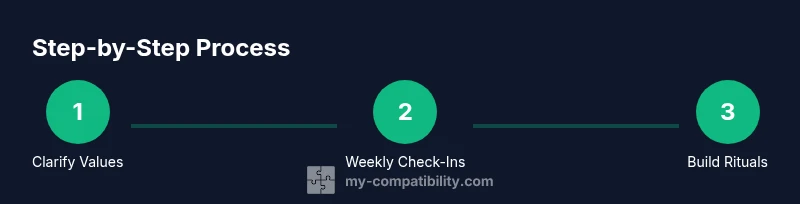
Building compatibility is a deliberate practice, not a one-off event. Start with clear, compassionate conversations about values, boundaries, and long-term vision. Establish rituals that reinforce connection, such as weekly check-ins or shared meals. Practice active listening, restate what you hear, and ask clarifying questions to prevent misinterpretations. When disagreements arise, switch to a structured conflict-resolution approach (pause, reflect, respond) instead of escalating. Create a simple decision-making framework for everyday choices (who handles what and when). Finally, track progress together—reflect on what’s improving and what still feels off, and adjust as needed. Can you build compatibility in a relationship? Yes—with steady, empathetic effort.
Tools, rituals, and routines that help
Rituals matter because they convert fleeting moments into durable connection. Try a Sunday evening debrief to review the weekend, then plan the upcoming week with role clarity and shared priorities. A relationship journal can capture changing needs and gratitude, while a calendar of mutual activities keeps you prioritizing each other. Simple, repeatable rituals—for example, a five-minute daily check-in or a monthly date night—create touchpoints that reinforce your bond. In addition, consider shared tasks such as budgeting or planning future goals; collaboration strengthens both trust and competence as a team.
Common pitfalls and how to avoid them
A major pitfall is assuming compatibility means sameness. Differences can enrich a relationship when handled with respect. Avoid rigid expectations and “mind-read” assumptions; instead, ask open questions and paraphrase to confirm understanding. Overcorrecting or trying to “fix” your partner can erode trust—focus on behaviors you can influence and celebrate progress. Another pitfall is neglecting maintenance; long gaps in communication lead to drift. Schedule regular sessions for check-ins, even during busy periods, to keep alignment alive.
Measuring progress and adjusting expectations
Progress in relationship compatibility is gradual and feels incremental. Look for consistent improvements in communication quality, conflict resolution, and shared joy, rather than dramatic overnight changes. Use simple metrics you both agree on: frequency of meaningful conversations, satisfaction with conflict outcomes, and fulfillment of shared goals. If one partner’s needs shift, revisit your values and expectations without blame. The goal is sustainable alignment that respects individuality while reinforcing partnership.
Realistic expectations and next steps
Compatibility is a living process, not a fixed state. Expect fluctuations as life evolves—career demands, family dynamics, and personal growth will reshape needs. Focus on two or three practical improvements at a time and celebrate small wins. Seek external guidance if recurring patterns feel stuck, and remember that consistency matters more than intensity. For ongoing growth, commit to a monthly reflection and a quarterly goal-setting session with your partner.
Tools & Materials
- Relationship journal(One page per week to record reflections, feelings, and notable conversations)
- Pen or digital note-taking app(Essential for timely entries and prompts)
- Calendar or planner(Schedule weekly check-ins and monthly date nights)
- Conversation prompts(Optional card deck or checklist to spark meaningful dialogue)
- Conflict-resolution guide(A simple framework (pause/reflect/respond) for calm discussions)
Steps
Estimated time: 4-8 weeks for the initial alignment; ongoing maintenance
- 1
Clarify shared values
Begin with a structured conversation about core beliefs, life goals, and non-negotiables. This creates a baseline for expectations and decisions. Document where you agree and where you differ to guide future choices.
Tip: Use a values card or prompts to keep the discussion concrete. - 2
Set a weekly check-in
Choose a consistent day and time to discuss the week, celebrate small wins, and surface concerns before they fester. Keep the check-in short (15–20 minutes) and focused on listening.
Tip: Time-box the session to prevent spillover into unrelated topics. - 3
Create shared rituals
Establish at least one ritual that reinforces connection (e.g., Sunday debrief, date night, or a daily gratitude exchange). Rituals build predictability and safety over time.
Tip: Rotate rituals so both partners contribute ideas. - 4
Practice active listening
During conversations, reflect back what you heard and ask clarifying questions. This reduces misinterpretation and increases emotional safety.
Tip: Label emotions briefly (e.g., 'It sounds like you feel overwhelmed'). - 5
Use a structured conflict method
When disagreements arise, pause, reflect on your own stance, and respond without blame. Agree on a time to revisit if emotions run high.
Tip: Have a ‘cooling-off’ rule to prevent escalation. - 6
Track progress together
Review your values alignment, ritual adherence, and conflict outcomes at regular intervals. Note improvements and areas needing work.
Tip: Maintain a shared log in your relationship journal. - 7
Revisit goals and adjust
Life changes; reassess goals and expectations every 3–6 months. Update agreements to reflect new realities while preserving core connection.
Tip: Celebrate adjustments as growth, not failures. - 8
Celebrate small wins
Acknowledge progress publicly in the relationship and privately with appreciation. Small positive actions compound over time.
Tip: Create a simple ritual to acknowledge weekly wins.
Questions & Answers
What does compatibility mean in a relationship?
Compatibility refers to how well two people align across emotional, practical, and aspirational dimensions. It influences how smoothly they communicate, handle stress, and pursue shared goals. Understanding these dimensions helps couples focus their growth efforts where they will matter most.
Compatibility means how well you align emotionally, practically, and in your goals. It helps you build smoother communication and shared purpose.
Can compatibility be learned or is it fixed?
Compatibility can be developed through intentional practice, such as regular communication, empathetic listening, and shared rituals. While some baseline traits exist, the quality of the relationship depends on ongoing effort and mutual adaptation.
Compatibility can be built with intentional practice and shared routines. It’s not fixed—it grows with effort.
How long does it take to build real compatibility?
There is no fixed timeline. Most couples notice meaningful shifts within a few months of consistent practice, but deeper alignment on values and goals can take longer. The key is steady, intentional effort.
Expect months of steady work rather than quick fixes, with ongoing adjustments as life evolves.
What if we have different life goals?
Differences in goals don’t have to derail a relationship. Identify non-negotiables, negotiate compromises where possible, and create a plan that respects both partners. Regularly reassess alignment as circumstances change.
Differences aren’t fatal. They require honest negotiation and regular alignment checks.
Does astrology affect compatibility in a relationship?
Astrological beliefs can influence expectations and communication styles for some couples. It’s useful to acknowledge any zodiac-influenced patterns but base decisions on observable behaviors and shared values.
Astrology can shape expectations for some couples, but focus on concrete actions and mutual respect.
How should we deal with recurring conflicts?
Identify patterns, use a structured conflict framework, and agree on a time to revisit if needed. If conflicts persist, consider seeking guidance from a neutral third party or a couple therapist.
Pinpoint patterns, use a calm framework, and seek help if needed.
Watch Video
Highlights
- Define shared values early and revisit them.
- Communicate openly with empathy and active listening.
- Establish repeatable rituals that anchor connection.
- Use a structured approach to conflicts.
- Track progress and adjust expectations over time.