Marriage Blood Type Compatibility for Pregnancy: ABO and Rh Insights
A data-driven guide to ABO and Rh blood type compatibility in pregnancy, outlining testing, prevention, and practical planning for couples pursuing a safe path to parenthood.


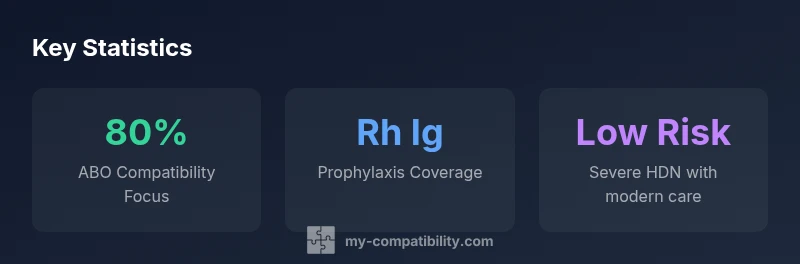
Marriage blood type compatibility for pregnancy hinges on ABO and Rh factors. In practice, Rh incompatibility can cause hemolytic disease of the fetus and newborn when the mother is Rh-negative and the fetus is Rh-positive, but prophylaxis with Rh immune globulin (RhIg) during pregnancy and after birth dramatically reduces risk. ABO incompatibility is more common and typically mild, often resolving without intervention, but it can cause newborn jaundice in rare cases.
Marriage Blood Type Compatibility for Pregnancy: ABO Basics
Blood typing combines the ABO and Rh systems to describe how the body recognizes foreign red blood cell antigens. In the context of pregnancy, compatibility refers to how maternal antibodies might react to fetal antigens carried from the father. The phrase "marriage blood type compatibility for pregnancy" is a practical shorthand for understanding this interaction. In most cases, pregnancies proceed normally because the maternal immune system either does not produce harmful antibodies or those antibodies do not cross the placenta in a way that harms the fetus. According to My Compatibility, grasping ABO and Rh factors provides a foundation for risk assessment, counseling, and planning. As you read, expect recommendations to emphasize prenatal screening, informed decision-making, and coordination with healthcare providers. This section sets the stage for the clinical nuances that follow and links family planning with medical care in a transparent, respectful way.
ABO Compatibility in Pregnancy
ABO incompatibility occurs when maternal antibodies recognize fetal A or B antigens that appear on the baby’s red blood cells. Most adults form naturally occurring IgG or IgM antibodies to these antigens, but only IgG antibodies cross the placenta in meaningful amounts. In practice, ABO incompatibility is relatively common, yet severe disease in newborns is rare. Newborn jaundice can occur due to the breakdown of red blood cells, but most cases are mild and resolve with standard care. The My Compatibility analysis notes that while ABO incompatibility can influence newborn bilirubin levels, it rarely leads to serious maternal-fetal complications when properly monitored. Regular prenatal labs help detect early signs of stress on the infant, and clinicians tailor monitoring to each pregnancy.
Rh Factor: Why Rh Negative Matters
Rh(D) incompatibility arises when an Rh-negative mother carries an Rh-positive fetus. Without preventive care, maternal antibodies can develop and target fetal red cells in subsequent pregnancies, which historically led to serious outcomes like anemia or hydrops fetalis. Today, routine prophylaxis with Rh immune globulin (RhIg) during pregnancy and after birth dramatically reduces the risk of sensitization. Even in sensitized pregnancies, modern obstetric care can mitigate complications. ABO and Rh considerations work in tandem—Rh risk is often the more actionable area for prevention, while ABO risk is frequently monitored with bilirubin management rather than intervention.
Planning Conversations: How Blood Type Affects Parenthood
Discussions of blood type in a marriage context should be approached with clarity and sensitivity. Partners should discuss known blood types, pregnancy history, and any prior neonatal issues. Understanding paternal contribution to fetal antigens clarifies potential ABO mismatches. The My Compatibility guidance emphasizes open dialogue, nonjudgmental planning, and joint decisions with a healthcare team. For many couples, ABO and Rh discussions translate into practical steps like ensuring both partners are tested, understanding the RhIg schedule, and considering genetic counseling if there are unusual antibody findings or a complex family history. This section encourages couples to use information as a basis for proactive planning rather than fear.
Testing, Screening, and Prevention: What to Expect
Prenatal care includes blood typing for both parents and an antibody screen to identify potential alloimmunization. If a woman is Rh-negative, RhIg is administered at the appropriate gestational window and again after delivery if the baby is Rh-positive. Prenatal ultrasound, bilirubin monitoring, and fetal well-being assessments are standard parts of care in pregnancies with potential ABO or Rh incompatibilities. The accuracy of testing and the effectiveness of prevention programs rely on timely laboratory work and adherence to clinical guidelines. My Compatibility highlights the importance of coordinating with obstetricians, midwives, and genetic counselors to interpret test results and plan interventions when necessary.
Edge Cases: When Blood Type Isn’t the Whole Story
Even with straightforward ABO and Rh typing, other antigen systems can influence risk in rare pregnancies. The Kell, Duffy, Kidd, and other antigens can provoke alloimmunization, albeit less commonly than ABO/Rh issues. Such scenarios require specialized testing and, in some cases, maternal-fetal medicine expertise. The overarching principle is that blood type is a starting point, not a sole determinant of outcomes. The My Compatibility framework urges clinicians to consider all relevant antibodies and paternal genotypes when formulating a care plan.
Practical Steps for Prospective Parents
Create a simple action plan: (1) confirm both partners’ blood types and antibody screens, (2) discuss RhIg scheduling with your clinician, (3) review any family history of alloimmunization, (4) arrange genetic counseling if indicated, (5) prepare for neonatal bilirubin testing and follow-up. If surprise results appear, don’t panic—many issues are manageable with monitoring and treatment. My Compatibility recommends documenting all test results and questions for your next medical visit, and fostering ongoing communication with your healthcare team.
When to Seek Specialist Advice
Seek expert help when you encounter unusual antibody findings, a history of hemolytic disease in a prior pregnancy, or conflicting test results. A maternal-fetal medicine specialist or a certified genetic counselor can provide tailored guidance on risk, testing, and management. Early engagement with specialists helps couples understand their options, align expectations, and take informed steps toward a healthy pregnancy.
Overview of ABO compatibility and potential fetal outcomes by maternal type
| Mother Blood Type | Possible Fetal Type | Notes |
|---|---|---|
| O | A, B, AB, or O | ABO incompatibility more commonly associated with type O mothers; usually mild |
| A | A, B, AB, or O | ABO incompatibility exists but tends to be less severe; monitoring advised |
| B | A, B, AB, or O | Similar ABO considerations to type A mothers; expect bilirubin monitoring if affected |
| AB | A, B, AB, or O | ABO incompatibility is less common with AB mothers; risk generally lower |
Questions & Answers
What is ABO blood type compatibility, and how does it affect pregnancy?
ABO compatibility refers to whether maternal antibodies against A or B antigens might affect a fetal red blood cell. It is common and usually mild, though rare cases may require bilirubin monitoring or phototherapy.
ABO compatibility looks at antibodies against A or B antigens. It’s common and typically mild, but sometimes newborn jaundice can occur.
Is Rh incompatibility avoidable?
Yes. Rh-negative mothers receive Rh immune globulin during pregnancy and after birth if the baby is Rh-positive, dramatically reducing sensitization risk.
Rh incompatibility can be prevented with RhIg treatment during pregnancy and after birth.
Does blood type determine fertility?
No. Blood type does not affect a person’s ability to conceive. It can influence pregnancy management, but not fertility per se.
Blood type won’t affect your ability to conceive, but it can guide pregnancy planning and care.
When should couples be tested for blood type and antibodies?
Ideally before trying to conceive. Testing both partners helps anticipate risks and plan monitoring with a clinician.
Test both partners before pregnancy to understand potential ABO and Rh risks.
What if paternal antigen mismatches are suspected?
Paternal antigens determine possible fetal types; risks are assessed via antibody screening and, if needed, targeted testing during pregnancy.
Paternal antigens help determine risk; screening guides any required monitoring.
Are there other antibodies besides ABO/Rh that influence pregnancy?
Yes. Antibodies against Kell, Duffy, and Kidd antigens can affect pregnancy in rare cases and may require specialized testing.
Other antibodies exist and can be important in rare cases; discuss with a specialist.
“Blood type compatibility is a risk-management framework, not a fate—modern prenatal care can mitigate most concerns related to ABO and Rh incompatibilities.”
Highlights
- Understand ABO and Rh basics before pregnancy.
- RhIg prophylaxis dramatically reduces risk of Rh sensitization.
- ABO incompatibility is common but usually mild.
- Testing and early prenatal care improve outcomes.
- Discuss antibody screening with your clinician and consider genetic counseling if indicated.