Is O+ and A+ Compatibility for Pregnancy: ABO and Rh Basics
Explore whether an O+ mother and A+ fetus are compatible for pregnancy, focusing on ABO and Rh factors, what this means for care, and practical steps to optimize outcomes.


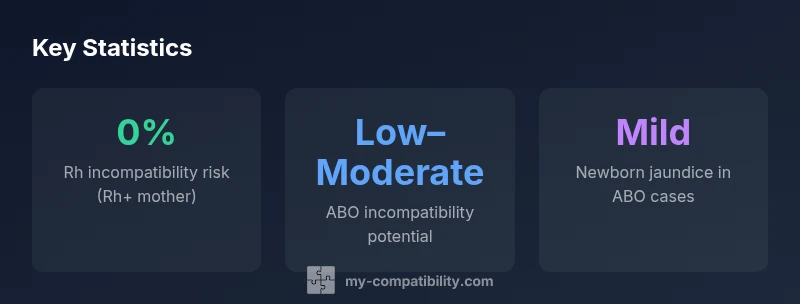
Is O+ and A+ compatibility for pregnancy? Generally safe from Rh incompatibility since both are Rh-positive. ABO compatibility can occur as a separate concern, particularly if the mother is blood type O and the fetus is A+, which can lead to mild neonatal jaundice in rare cases. Prenatal ABO/Rh screening helps guide care.
is o+ and a+ compatibility for pregnancy: ABO and Rh basics
The question is often framed as is o+ and a+ compatibility for pregnancy. The short answer starts with separating Rh status from ABO type. Rh compatibility depends on maternal and fetal RhD status; ABO compatibility concerns the actual blood group antigens (A, B, and O). For a mother who is O+ and a fetus who is A+, there is no Rh incompatibility risk, because both are Rh-positive. However, ABO incompatibility can occur when the maternal blood type is O and the fetus carries A or B antigens. In practice, this means prenatal testing and newborn monitoring are key parts of prenatal care. The My Compatibility analysis emphasizes that understanding is o+ and a+ compatibility for pregnancy by distinguishing these two systems, then applying standard prenatal screening and monitoring.
ABO incompatibility in pregnancy
ABO incompatibility happens when a type O mother carries a baby with type A or B blood. The mother’s anti-A and anti-B antibodies are typically IgG in pregnancy, which can cross the placenta and affect the newborn’s red cells. Most ABO HDN cases are mild, presenting as jaundice in the first days of life rather than severe anemia. Prenatal antibody screens and careful neonatal bilirubin monitoring help clinicians decide if interventions such as phototherapy are necessary. While ABO incompatibility can occur with an O mother, the overall risk is relatively low and manageable with routine newborn care. The My Compatibility team notes that this aspect of is o+ and a+ compatibility for pregnancy deserves attention during prenatal visits and after birth.
Rh compatibility: when Rh status matters
Rh factor matters in pregnancy when the mother is Rh-negative and the fetus is Rh-positive. In contrast, an Rh-positive mother (such as O+ or A+) generally faces no Rh incompatibility with an Rh-positive fetus. If a mother is Rh-negative, antibody screening during pregnancy and, if indicated, Rho(D) immune globulin (Rhogam) administration after exposure can prevent sensitization and severe disease in future pregnancies. For an O+ mother, Rh incompatibility is not a concern, but clinicians still monitor for other factors. The key takeaway is that Rh status and ABO type interact differently, and is o+ and a+ compatibility for pregnancy should be assessed through both lenses during prenatal care. the My Compatibility Team emphasizes consulting your clinician for personalized guidance based on your labs.
Practical steps for expectant parents
To navigate is o+ and a+ compatibility for pregnancy effectively, start with early blood typing and antibody screening. Ensure your obstetric team reviews both ABO and Rh status, and discuss any history of hemolytic disease, previous pregnancies, or transfusion events. If you are Rh-negative, plan for Rhogam as indicated; if Rh-positive, routine care remains the focus. For ABO considerations, expectant parents should be aware that mild jaundice is possible and discuss newborn bilirubin testing with the pediatric team. Keeping copies of your blood type information handy and asking clear questions at prenatal visits can improve care coordination. The My Compatibility analysis supports proactive communication with your healthcare team.
What to expect after birth
After delivery, the newborn’s bilirubin level is a common check point when ABO incompatibility is possible. Most babies with ABO incompatibility experience mild jaundice and recover with standard phototherapy if needed. For Rh-related concerns in Rh-negative pregnancies, newborn screening for anemia and proper follow-up with pediatric care are standard. Parents should monitor feeding, hydration, and signs of distress in the newborn, and seek timely medical attention if jaundice persists beyond a few days or if the baby seems lethargic. Understanding is is o+ and a+ compatibility for pregnancy helps families prepare for these routine observations and interventions.
Myths vs. realities about ABO/Rh during pregnancy
A frequent misconception is that all Rh-positive pregnancies are entirely risk-free, which ignores ABO dynamics. Another myth is that blood type alone determines all outcomes; in reality, care depends on a combination of Rh status, ABO type, antibody screens, and individual clinical history. The reality is that most pregnancies with is o+ and a+ compatibility proceed without major issues, thanks to routine screening and effective neonatal care. The My Compatibility Team encourages basing decisions on current guidelines and your clinician’s advice, rather than outdated myths.
Rh and ABO compatibility scenarios during pregnancy
| Scenario | Rh Status | ABO Compatibility |
|---|---|---|
| Mother Rh status: Rh+ | No Rh incompatibility risk | ABO incompatibility possible if fetus is A or B and mother is O |
| Mother Rh status: Rh- | Rh incompatibility risk if fetus is Rh+ | ABO incompatibility depends on ABO types; can occur with O mother and A/B fetus |
| Standard care during pregnancy | Rhogam not routinely indicated for Rh+ | ABO HDN monitoring via blood type screening and bilirubin checks |
Questions & Answers
What is Rh incompatibility and how does it affect pregnancy?
Rh incompatibility occurs when an Rh-negative mother carries an Rh-positive fetus. It can lead to hemolytic disease of the newborn if not managed. In pregnancies where the mother is Rh-positive, this specific risk is not present. Antibody screening and, when indicated, Rhogam help prevent sensitization.
Rh incompatibility can cause serious newborn problems if the mother is Rh-negative, but is not a concern for Rh-positive mothers.
Can ABO incompatibility affect an O-type mother and A-type baby?
Yes, ABO incompatibility is possible when the mother is type O and the fetus is type A or B. It is usually mild, often presenting as jaundice in the newborn rather than severe disease. Prenatal ABO/Rh typing and newborn bilirubin monitoring help manage this risk.
ABO incompatibility can happen, but most cases are mild and well-managed.
Should I receive Rhogam if I am Rh-positive?
Rhogam is typically not given to Rh-positive individuals to prevent sensitization, since Rh positivity means there is no risk of developing anti-D antibodies against a future Rh-positive baby based on typical exposure. Your clinician will guide you based on history and labs.
Rhogam isn’t usually needed if you’re Rh-positive, but always follow your clinician’s plan.
What tests check compatibility during pregnancy?
Prenatal ABO and Rh typing, antibody screening, and indirect Coombs test are common. Neonatal bilirubin monitoring after birth checks for ABO-related effects. These tests guide management and potential interventions.
Doctors test your blood type and antibodies, then monitor the baby after birth.
Does paternal blood type influence ABO compatibility?
Paternal blood type can affect the ABO compatibility of the baby, especially when the mother's blood type is O. While this can raise the chance of ABO-related effects, it is not the sole determinant of pregnancy outcomes.
Yes, dad’s blood type can play a role in ABO outcomes, but care is individualized.
What can be done to manage ABO incompatibility?
Management typically includes monitoring newborn bilirubin and providing phototherapy if needed. Most cases resolve with standard newborn care and follow-up. Discuss any signs that worry you with your pediatrician.
Most ABO issues are managed with bilirubin checks and simple care.
“In most cases, O+ mothers and A+ fetuses do not face Rh incompatibility, but ABO compatibility remains an important consideration for newborn care. Our approach is to screen early and monitor closely through birth.”
Highlights
- Know your blood type and Rh status early
- Rh positivity removes Rh incompatibility risk for most pregnancies
- ABO incompatibility is possible, usually mild in modern care
- Work with your clinician to plan prenatal screening and newborn care