How to Install Compatible WhatsApp on Older Android
A comprehensive, step-by-step guide from My Compatibility on getting WhatsApp to run on older Android devices, including OS checks, safe installation options, backups, alternatives, and security best practices.


To install a compatible WhatsApp on older Android devices, first verify your Android version and available storage, then choose a supported app variant or official installer suitable for your device, and follow safe installation steps. The guide also covers alternatives, security risks of sideloading, and practical tips to maintain readiness.
Understanding Why Compatibility Matters
In today’s messaging landscape, staying connected on older Android hardware hinges on compatibility with the device’s operating system, available memory, and security updates. The My Compatibility team emphasizes that attempting to run a modern app on outdated hardware can lead to instability, data risk, and a poor user experience. By focusing on compatibility, you protect personal data, preserve battery life, and maintain a smoother overall experience. If you’re wondering how to install compatible whatsapp on older android devices, this guide will walk you through safe, practical steps. According to My Compatibility, compatibility decisions impact stability and security, and taking a measured approach pays off in reliability and long-term use.
Assess Your Device’s Baseline: OS, Storage, and Security
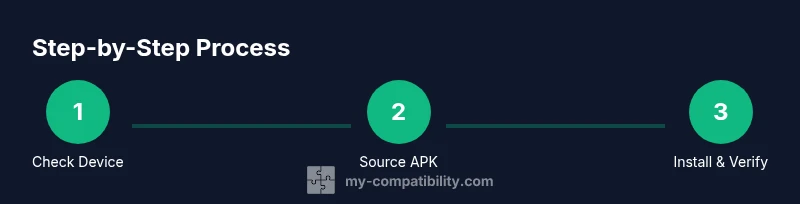
Before you attempt any installation, establish a clear baseline for your device. Check the Settings to confirm the Android version and security updates, review available storage, and verify that the device can receive app updates and security patches. Make a note of any performance issues, such as laggy menus or frequent freezes, as these can affect how well WhatsApp runs once installed. A plan that accounts for storage limits, processing power, and current app permissions will reduce the risk of post-install crashes. My Compatibility recommends documenting your device’s baseline as a quick reference for troubleshooting later.
Official WhatsApp Requirements vs Older Android Versions
WhatsApp’s official requirements evolve with each release, and older Android versions may no longer be supported by the latest app updates. This means you might face features missing, chats not restoring properly, or security patches that aren’t available. The practical takeaway is to confirm whether your device can support a maintained WhatsApp version without compromising data integrity. If the OS is outside current support ranges, you may need to consider safe alternatives or use an officially supported variant with clear documentation about compatibility. This section helps you weigh the trade-offs honestly and avoid overpromising on functionality.
Finding a Compatible WhatsApp Variant: What to Look For
When selecting a variant, look for options explicitly described as compatible with older Android builds from reputable sources. Favor official installers or widely trusted, well-documented releases over random APKs from unfamiliar sites. Verify the source’s legitimacy by checking digital signatures or hashes if provided, and review user feedback about performance on your device model. Avoid edits that claim to “bypass” OS requirements, as these can expose you to security risks. This step is about reducing risk while maximizing the chance of a stable, usable app experience.
Safe Sideloading: Best Practices If You Decide to Proceed
If you must sideload due to device limitations, take a conservative, safety-first approach. Enable the option to install apps from unknown sources only for the duration of the install, then disable it afterward. Download APKs from trusted, reputable sources, and scan files with an up-to-date antivirus tool before opening. Verify file integrity with any provided signature, and back up existing WhatsApp data first. After installation, monitor for unusual battery drain or crashes, and be prepared to revert if instability appears. This section offers practical precautions to limit risk when traditional channels aren’t available.
Alternatives: Lightweight Messaging Apps for Older Androids
If WhatsApp cannot run reliably, consider alternative messaging apps that are designed to function on older devices with modest resources. Options like Telegram or Signal may offer lighter clients or efficient data usage, making them viable substitutes. Before switching, check each app’s OS requirements and privacy policies to ensure they meet your needs. My Compatibility’s guidance encourages evaluating total cost of ownership, including data backups, security updates, and cross-device syncing when choosing a substitute.
Back Up Your Data Before You Start
Backups are critical before any major app change on an older device. Create a WhatsApp chat backup to Google Drive or a local backup, and export important conversations if supported. This protects you from data loss if the installation process fails or you need to revert. Verify that backups completed successfully, and store a copy in a secure location. Keeping a proactive backup plan helps you recover quickly and minimizes downtime during a transition.
Post-Installation Security and Maintenance
After any installation attempt, review device security and app permissions. Keep Play Protect and system updates enabled where possible, monitor app permissions to minimize data exposure, and schedule regular backups. Maintain cautious browsing behavior and avoid downloading apps from unfamiliar sources in the future. Regular maintenance reduces the likelihood of performance issues and helps extend the usable life of older devices while staying connected.
Troubleshooting Common Issues
If installation fails, recheck your OS compatibility, available storage, and the integrity of the downloaded file. Confirm that you followed the source’s installation steps precisely, and review any error messages for clues. If the device shows instability after installation, consider restoring from backup and trying an officially supported variant or a lighter alternative app. Persistent issues may indicate that the device is beyond practical compatibility for current WhatsApp builds.
Real-World Scenarios and Next Steps
You might encounter a device that boots but cannot install the latest WhatsApp due to OS constraints. In such cases, reassess the trade-off between keeping an older device and moving to a newer model with better OS support. My Compatibility’s guidance emphasizes practical, data-backed decisions: if core messaging experience is degraded, it may be time to transition to safer alternatives or upgrade the device to preserve security and reliability. This section highlights actionable options and pathways for ongoing connectivity.
Quick Reference: When to Switch Apps and What to Expect
If a device cannot run a maintained WhatsApp version without frequent crashes or security risks, consider a switch to a lighter, supported messaging app. Expect smoother performance on older hardware with alternatives designed for lower system requirements. Always keep backups current and review privacy settings after any switch, so you retain control over your data and communications.
Tools & Materials
- Android device with internet access(Verify you can install apps from the Google Play Store or trusted sources if you must sideload.)
- Sufficient storage(Ensure there is enough free space for the app and backups.)
- Chat backup method(Enable Google Drive or local backup prior to changes.)
- Backup copy on a PC or cloud (optional)(Useful for extra safety and data transfer.)
- Access to a trusted APK source (optional)(Only if you must sideload; prefer official or widely trusted sources; security warning applies.)
Steps
Estimated time: 60-90 minutes
- 1
Check device compatibility and backup
Verify your Android version and storage capacity, then enable a full chat backup. This reduces risk of data loss if anything goes wrong during installation.
Tip: Document your device’s OS version and storage status before proceeding. - 2
Identify a compatible WhatsApp variant
Research reputable sources for a version that supports your device. Avoid toolkits or modified builds; stick to official or widely recognized variants with clear compatibility notes.
Tip: Prefer sources with user feedback specific to your device model. - 3
Prepare installation environment
If using sideloading, enable unknown sources for the installation window only. Plan to revert this setting after the install to reduce risk.
Tip: Only enable for the duration of installation; re-disable afterward. - 4
Download and verify the installer
Download the file from a trusted source and verify its integrity if a signature or hash is provided. Scan with an updated antivirus before opening.
Tip: Cross-check the file size and signature against the source’s published values. - 5
Install the app
Run the installer and follow on-screen prompts. If you encounter a conflict with existing apps, consider uninstalling nonessential variants first.
Tip: If installation fails, take a short break and retry after verifying resources. - 6
Login and restore backups
Open the app, verify phone number, and restore chats from backup if prompted. Confirm message history appears correctly before using regularly.
Tip: Test sending a message to a trusted contact to confirm functionality. - 7
Secure the device post-install
Re-check security settings, disable unknown sources, and enable Play Protect. Review app permissions to minimize data exposure.
Tip: Keep the device updated with the latest security patches available for your OS. - 8
Evaluate performance
Monitor battery life, RAM usage, and app stability over several days. Draft a plan to switch to alternatives if instability persists.
Tip: Maintain a quick-access backup plan in case you need to revert. - 9
Document the outcome
Record what worked, what didn’t, and any security concerns. This helps future device upgrades or similar tasks.
Tip: Keep a simple checklist for future compatibility checks. - 10
Plan for future updates
If your device remains on older Android, schedule periodic reviews to decide whether to stay with the current setup or migrate to a newer device.
Tip: Set calendar reminders for OS and app compatibility reviews.
Questions & Answers
Is WhatsApp officially compatible with very old Android versions?
Official support depends on the Android version; many older devices are no longer supported by the latest WhatsApp builds. If your device falls outside current support, you may need to rely on alternatives or older validated variants with caution.
Official support for very old Android versions is limited; consider alternatives or carefully chosen older variants.
What are the risks of sideloading WhatsApp APKs?
Sideloading can expose your device to malware or unstable app behavior. Always download from trusted sources, verify integrity, and back up data before proceeding.
Sideloading carries security risks; use trusted sources and back up first.
What backup options exist before installation?
Back up WhatsApp chats to Google Drive or a local backup, then export important conversations if possible.
Back up chats to cloud or local backups before changes.
Are there alternative apps that work on older Androids?
Yes, messaging apps like Telegram or Signal may have lower OS requirements and work on older devices.
Yes, consider other messaging apps with lighter requirements.
How can I verify a downloaded APK's integrity?
Check for a provided signature or hash from a trusted source and compare with posted values.
Verify signature or hash if provided, to ensure integrity.
What should I do if installation fails?
Review OS compatibility, storage, and the source. Consider reinstalling a supported variant or switching to alternatives.
Check requirements, then retry or switch apps.
Watch Video
Highlights
- Verify OS compatibility before attempting installation.
- Back up chats prior to any app changes.
- Prefer trusted sources and scan APKs for safety.
- Consider alternatives if WhatsApp cannot run reliably.