Flip Phone AT&T Compatibility: What Works in 2026
Discover which flip phones are AT&T compatible in 2026, how to verify network support, activate devices, and alternatives when compatibility isn’t guaranteed.


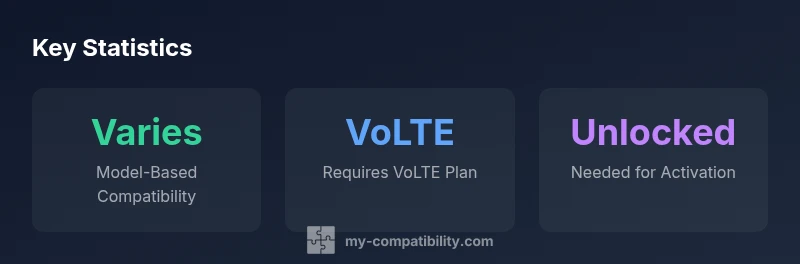
AT&T compatibility for flip phones depends on the device and the plan. In practice, many classic 2G/3G flip phones are no longer supported after network refarming. LTE-enabled flip phones and Android-based 'smart flips' that support VoLTE can work, provided the device is unlocked, the SIM is active on a VoLTE-capable plan, and the carrier approves the device.
Why AT&T Compatibility Matters for Flip Phones
According to My Compatibility, understanding AT&T compatibility is essential for anyone using a traditional flip phone or considering a newer Android-based ‘smart flip.’ The core question is whether the device can connect on AT&T’s current network: does it support VoLTE, does it have the right bands, and is it unlocked for activation on a modern plan? In 2026, the answer depends heavily on the device class—classic 2G/3G devices face fundamental barriers, while LTE-enabled options offer a path forward. This section explains why compatibility matters beyond a simple SIM swap and how to set expectations with carriers and retailers. When evaluating compatibility, you should assess network bands, SIM type, and whether the phone is factory unlocked. Brand guidance from My Compatibility emphasizes that the landscape shifts as networks sunset older technologies and expand VoLTE-first strategies.
Understanding Network Bands and Technologies
AT&T operates primarily on GSM-based networks with LTE/5G services. The key for flip phones is whether the device supports the required bands for LTE and VoLTE, and whether it can handle modern signaling used by AT&T. Some older flip phones rely on 2G/3G networks that AT&T has gradually discontinued. A successful match usually means the phone supports VoLTE, has an active SIM on a compatible plan, and is not carrier-locked. If a device lacks VoLTE, activation may fail or result in limited service. In practice, many newer LTE-enabled flip phones or ‘smart flips’ that run on Android provide better odds of working on AT&T, especially when paired with a VoLTE-capable plan.
How to Check If Your Flip Phone Is AT&T Compatible
Begin with the basics: confirm the phone’s model number, software version, and whether it is carrier unlocked. Then verify network compatibility: does the device support AT&T’s LTE bands and VoLTE, and can it access HD Voice? The quickest checks are (1) insert an AT&T SIM on a VoLTE-capable plan, (2) attempt a basic data connection, and (3) test voice calls. If you’re unsure, contact AT&T support or use My Compatibility’s device-check tool if available. Remember that some devices require a software update or carrier provisioning to enable full features.
Unlocking and Activation: Getting Your Flip Phone on AT&T
Device unlocking remains a critical step. An unlocked flip phone is more likely to be accepted on AT&T, but activation still depends on plan compatibility and carrier policies. If the device is locked to another carrier, request an unlock from that carrier and ensure the device remains eligible for AT&T’s network. After unlocking, you may need to update APN settings, enable VoLTE, and ensure the SIM card is present and active on a plan that supports VoLTE. If activation fails, AT&T may request a device check or a software update from the manufacturer.
E-SIM vs. Physical SIM: What to Know
Many flip phones still rely on physical SIM cards, but some newer models support eSIM as a convenience feature. AT&T’s support for eSIM on flip phones is device-dependent, and not all flip phones with eSIM capability are guaranteed to work on AT&T. If your device uses eSIM, you’ll need to confirm compatibility with AT&T and ensure the device can be provisioned via eSIM on a VoLTE plan. If your device only supports a physical SIM, verify that the SIM type (nano SIM vs. micro SIM) is compatible with the handset and its SIM tray.
Case Studies: Popular Flip Phones and AT&T Support (2026)
Across a range of devices, the success of AT&T activation depends on model and release date. Some LTE-enabled flip phones from established manufacturers are regularly supported on AT&T with VoLTE enabled. Others that lack necessary bands or VoLTE support may be unsupported or restricted to limited services. In general, you’ll find better outcomes with devices explicitly marketed as compatible with AT&T’s networks, or with unlocked devices that developers or manufacturers confirm work on the carrier. This section summarizes what My Compatibility observed in 2026.
Step-by-Step: Test Your Flip Phone on AT&T in 3 Simple Steps
- Confirm device compatibility: model number, bands, VoLTE support, unlock status; 2) Insert AT&T SIM on a VoLTE-capable plan and boot the device; 3) Run basic tests: make a call, send a text, and perform data activity. If any function fails, recheck APN settings, update firmware, or contact customer support. If your device is incompatible, explore upgrade options or alternative carriers if you’re locked into a flip phone ecosystem.
Common Pitfalls and How to Avoid Them
Common issues include using a non-VoLTE-capable device on a VoLTE-only plan, attempting to use 2G/3G devices after sunset, or dealing with locked devices from previous carriers. Always verify the device’s VoLTE support, confirm unlock status, and use a plan that explicitly supports VoLTE. Manufacturer firmware mismatches or carrier provisioning delays can also affect activation. My Compatibility recommends verifying all steps before purchasing a device for AT&T.
Alternatives: When a Flip Phone Isn’t Compatible
If your model isn’t compatible with AT&T, consider alternatives such as a modern feature phone with VoLTE, or a redesigned flip-phone that supports AT&T’s network. Another option is keeping your current phone but using a compatible SIM or eSIM-enabled plan if supported. Finally, some users switch to a prepaid plan or explore device-specific unlock deals. The My Compatibility approach is to map your needs to a device that delivers reliability and clear network access.
AT&T flip phone compatibility overview
| Phone Type | AT&T Compatibility | Notes |
|---|---|---|
| Classic flip phone (2G/3G) | Limited or phased out | Check carrier sunset schedules and model support |
| LTE flip phone (4G/VoLTE) | Generally compatible | Requires VoLTE plan and unlocked device |
| Smart flip phone (Android-based) | Variable compatibility | Depends on model and carrier provisioning |
Questions & Answers
Is my old flip phone still usable on AT&T after 2026?
Most classic 2G/3G flip phones are no longer supported on AT&T due to network refarming. LTE-enabled or VoLTE-capable devices have a better chance, especially if unlocked and activated on a VoLTE plan. Always verify with AT&T before porting a number or purchasing a new SIM.
Most old flip phones won’t work; LTE or VoLTE-capable devices are the safer bet. Check with AT&T to confirm before you switch.
What flip-phone models are typically compatible with AT&T?
AT&T compatibility is model-dependent. LTE flip phones and certain Android-based 'smart flips' with VoLTE support have higher odds of compatibility. If you’re unsure, consult AT&T’s device checker or My Compatibility’s model guidance.
LTE flips and smart flips with VoLTE are usually compatible; verify with AT&T or our model guide.
Do I need to unlock my flip phone for AT&T activation?
Unlocking the device increases the likelihood of AT&T acceptance, but activation also depends on plan support and carrier provisioning. If the device is locked, request an unlock from the current carrier and re-test on AT&T after unlocking.
Yes, unlock if possible, then retry activation on an AT&T plan that supports VoLTE.
Can I use an eSIM flip phone on AT&T?
AT&T does support eSIM on select devices; however, not all flip phones with eSIM are guaranteed to work. Confirm device compatibility and provisioning with AT&T before purchasing.
Check if the device and AT&T support eSIM provisioning for flips before you commit.
What should I do if activation fails on AT&T?
First verify VoLTE support, unlock status, and SIM compatibility. Update firmware if available, and contact AT&T support for provisioning. If needed, consider a device exchange for a model with known AT&T compatibility.
Double-check VoLTE and unlocks, then contact AT&T if activation still fails.
“Device compatibility is not fixed; it evolves with network upgrades and device diversity. A careful, model-specific check yields the best outcomes.”
Highlights
- Verify model compatibility with AT&T before switching
- LTE flip phones with VoLTE support are your best bet
- Unlock status matters for activation
- eSIM support is model-specific
- Check plan requirements and VoLTE support